The end of the unicorn era and the rise of technological sovereignty
The technology market as we knew it is undergoing a profound mutation. What was once a race for astronomical valuations has become a war of survival and efficiency.
These are the points that stand out to me after forty-four years working in this industry. They are a reading, not a forecast — and the value of writing them down is that they can be checked against what actually happens.
1. Twilight for the pioneers
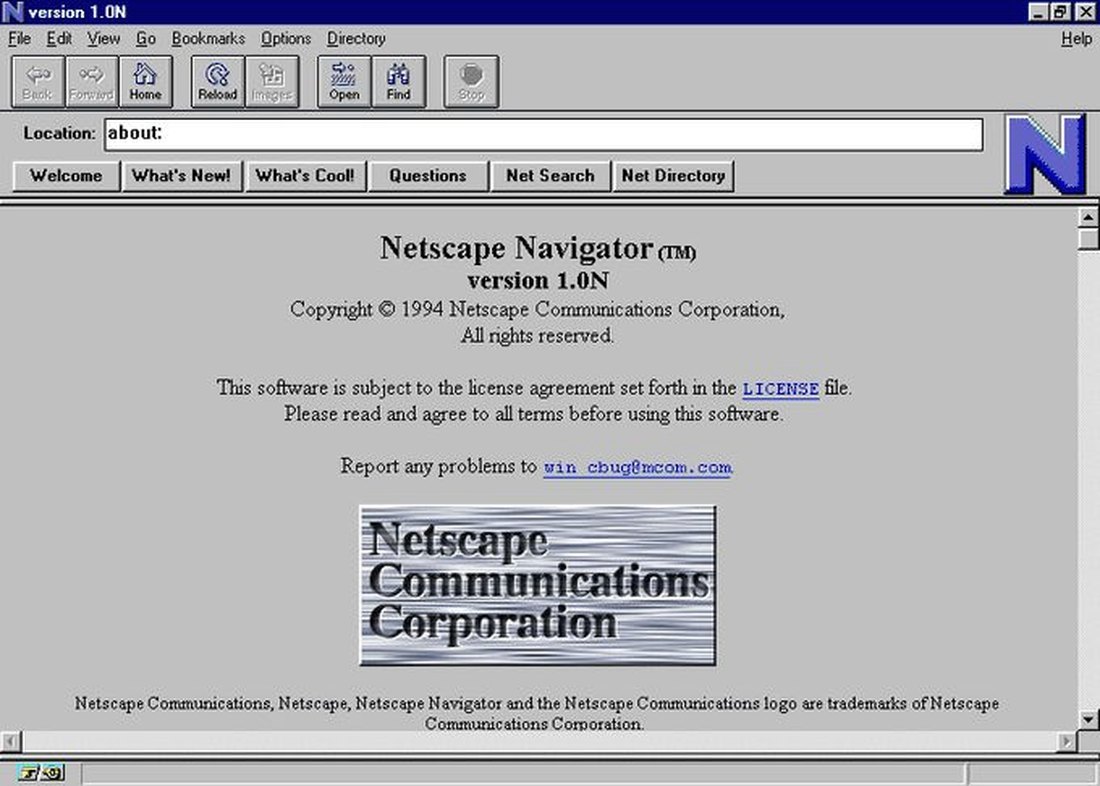
It is not the first time this has happened. Once the symbol of the revolution, the heaviest-burning pioneers are now entering the valley of death. With an unsustainable burn rate and the loss of key talent, inflated valuations increasingly look like fiction. If the model survives, it will be as a consumer brand or a department inside a larger company — a commodity. Yesterday’s Netscape.
2. The Chinese steamroller and the deflation of intelligence
China changed the game. With models like DeepSeek and advances in proprietary hardware, costs will start collapsing. Forecasts of a significant reduction in hardware over the next three years suggest that artificial intelligence will become as cheap and accessible as electricity. Silicon Valley’s technological moat is evaporating.
3. The decade of vertical integration
While others stumble, the companies that own the full stack position themselves as the great survivors. From silicon to distribution, and holding a quantum research arm, they are the only ones capable of competing with Chinese efficiency at scale. Everyone else depends on third parties for hardware, which is an existential margin risk.
4. The vulture strategy
True to a forty-year track record, the patient buyer will wait for the market to cannibalise itself, then step in and put the logo on top of the winning carcass. The end user will not buy an LLM; they will buy branded intelligence, regardless of who powers it under the hood.
5. Geopolitics as antitrust
We are entering the era of sovereign antitrust. National laws will have to adapt: either they allow giants to fight freely, or the local industry will succumb to a foreign technological hegemony. European regulation, on the other hand, risks isolating the continent in a technological museum.
6. Systemic risk in capital markets
This transition will not be painless. The valuation correction of these companies could shake the American stock market, which underpins everything from pension funds to real estate. A great deal of money will disappear before a new equilibrium is established.
What follows from all of it
AI is no longer a software product. It is national strategic infrastructure.
Whoever does not own the factory — the chips — or the refinery — the data centres — will no longer have a seat at the table when the big decisions are made.
Do you think the West will sacrifice antitrust to avoid losing the technology race to China?
I run fixed-price architecture reviews and infrastructure cost audits for founders. See the engagements, or read the background.